
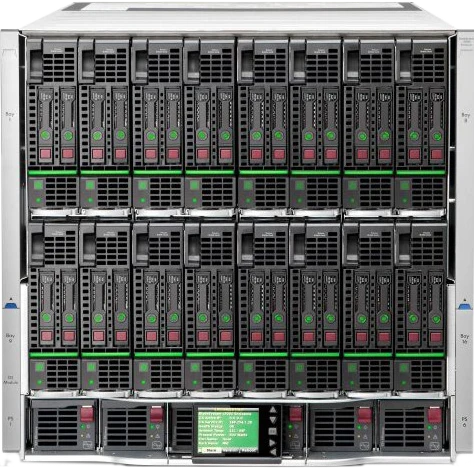
Enterprise IT rarely moves as quickly as consumer technology. While modern cloud platforms and containerized applications dominate new deployments, many organizations still rely on legacy infrastructure to power mission-critical systems.
One example is Itanium hosting, a specialized infrastructure environment built to support Intel’s IA-64 architecture. Although newer processors now dominate the data center landscape, IA-64 systems continue to operate in enterprises worldwide because they support applications that cannot easily migrate. For companies running critical workloads on these systems, maintaining stability, security, and uptime is essential. This guide answers the most common questions organizations ask when evaluating infrastructure options for IA-64 environments and explains how businesses continue supporting these systems today.
Understanding the Itanium Architecture
Intel originally developed the IA-64 architecture in partnership with Hewlett-Packard to power high-performance enterprise servers. Unlike traditional x86 processors, IA-64 was designed to improve instruction-level parallelism and support large-scale workloads.
These processors became widely used in enterprise environments that required:
- High reliability
- Large database performance
- Continuous system uptime
- Enterprise UNIX environments
- Financial and telecommunications workloads
Organizations built entire software ecosystems around these systems. As a result, many applications still depend on IA-64 infrastructure today.
What Is Itanium Hosting?
Itanium hosting is a managed infrastructure service that provides servers and operational support for systems built on the IA-64 architecture.
These environments allow organizations to continue operating legacy enterprise platforms without disruption while maintaining enterprise-grade reliability and security.
Typical hosting services include:
- Dedicated enterprise hardware
- Secure data center infrastructure
- Long-term legacy system support
- Operating system compatibility
- Disaster recovery and backup management
- Infrastructure monitoring
Businesses that depend on legacy enterprise applications often rely on specialized providers to maintain these environments safely.
Why Enterprises Still Use IA-64 Servers
One of the most common questions IT leaders ask is why organizations continue running legacy systems instead of migrating everything to modern cloud platforms.
The primary reason is application dependency.
Many enterprise workloads were originally built specifically for IA-64 operating systems, such as:
- HP-UX
- OpenVMS
- NonStop OS
These systems power core business processes, including transaction processing, financial systems, telecommunications infrastructure, and large enterprise databases. Migrating these environments often requires rewriting applications, redesigning infrastructure, and undergoing extensive testing cycles. For organizations with stable production environments, maintaining existing systems can be a safer and more cost-effective option.
Is Itanium Hosting Still Relevant Today?
While new deployments rarely use IA-64 architecture, legacy systems remain critical in many industries.
Enterprises continue using these environments for three primary reasons.
1. Mission-Critical Stability
Many IA-64 environments have operated continuously for years with extremely high uptime. Businesses often prefer maintaining this stability rather than introducing risk during migration.
2. Compliance and Regulatory Requirements
Financial services, healthcare organizations, and government agencies often maintain legacy infrastructure because it supports audited systems and regulatory compliance frameworks.
3. Long Application Life Cycles
Enterprise software can remain in production for decades. Replacing these systems sometimes requires multi-year modernization initiatives.
Because of these realities, infrastructure providers still support legacy environments for organizations that rely on them.
Operating Systems That Run on IA-64 Infrastructure
Enterprise IA-64 servers historically supported several operating systems designed for reliability and scalability.
The most common environments still maintained today include:
HP-UX
HP-UX remains one of the primary enterprise UNIX systems deployed on IA-64 servers. Many financial institutions and large enterprises continue operating HP-UX workloads.
OpenVMS
OpenVMS environments support mission-critical applications that require high availability and security.
NonStop OS
NonStop systems are designed for continuous availability and are widely used in telecommunications and transaction processing environments.
These platforms often support large legacy workloads that require long-term infrastructure stability.
Advantages of Itanium Hosting for Enterprise Workloads
Although considered legacy technology, IA-64 infrastructure still provides several benefits for organizations managing mission-critical systems.
Exceptional Reliability
Enterprise servers built for this architecture were engineered for fault tolerance and continuous operation.
Proven Infrastructure Stability
Many systems running on IA-64 hardware have remained operational for years with minimal downtime.
Legacy Application Support
Organizations can maintain proprietary enterprise applications without costly redevelopment.
Predictable Performance
Unlike shared cloud environments, dedicated infrastructure allows organizations to maintain consistent performance for critical workloads. These advantages explain why many organizations continue to support legacy systems rather than immediately replacing them.
Challenges of Maintaining Legacy Infrastructure
Despite its reliability, maintaining IA-64 infrastructure also presents several challenges that organizations must address.
Hardware Availability
Production of IA-64 processors has ended, so organizations must rely on existing hardware or refurbished systems.
Limited Software Development
Modern development ecosystems have shifted toward newer architectures, reducing compatibility with legacy environments.
Specialized Engineering Expertise
Maintaining enterprise UNIX platforms requires experienced infrastructure engineers familiar with legacy operating systems and architectures. For this reason, organizations often partner with specialized hosting providers that understand legacy enterprise systems.
When Should Businesses Consider Itanium Hosting?
Organizations typically choose this type of infrastructure when they must maintain operational continuity for critical workloads.
Common scenarios include:
- Supporting enterprise HP-UX environments
- Running legacy financial or telecommunications systems
- Maintaining applications that cannot easily migrate
- Extending infrastructure lifespan during modernization initiatives
- Preserving stability in regulated industries
In these situations, a specialized hosting provider ensures that legacy systems remain secure, monitored, and fully operational.
The Future of Legacy Enterprise Infrastructure
Most organizations eventually modernize their infrastructure, but the process often takes years. Strategic IT leaders balance modernization initiatives with operational continuity.
Maintaining legacy environments while planning gradual migration allows companies to:
- Avoid operational disruption
- Protect mission-critical workloads
- Reduce migration risk
- Control modernization costs
Experienced infrastructure providers help organizations manage this transition while ensuring legacy systems remain reliable.
Partner With Experts in Enterprise Infrastructure
Managing legacy enterprise systems requires specialized expertise, secure data center infrastructure, and deep knowledge of mission-critical environments.
At Nicman Group, we help organizations maintain and modernize enterprise infrastructure with secure, reliable hosting solutions tailored for legacy workloads. Our team understands the complexity of IA-64 environments and provides the operational support businesses need to keep critical systems running smoothly.
Whether you’re maintaining existing infrastructure or planning a long-term migration strategy, our experts can help you design the right solution for your organization.
Contact Nicman Group today to learn how our enterprise hosting solutions can support your legacy infrastructure and future technology roadmap.