
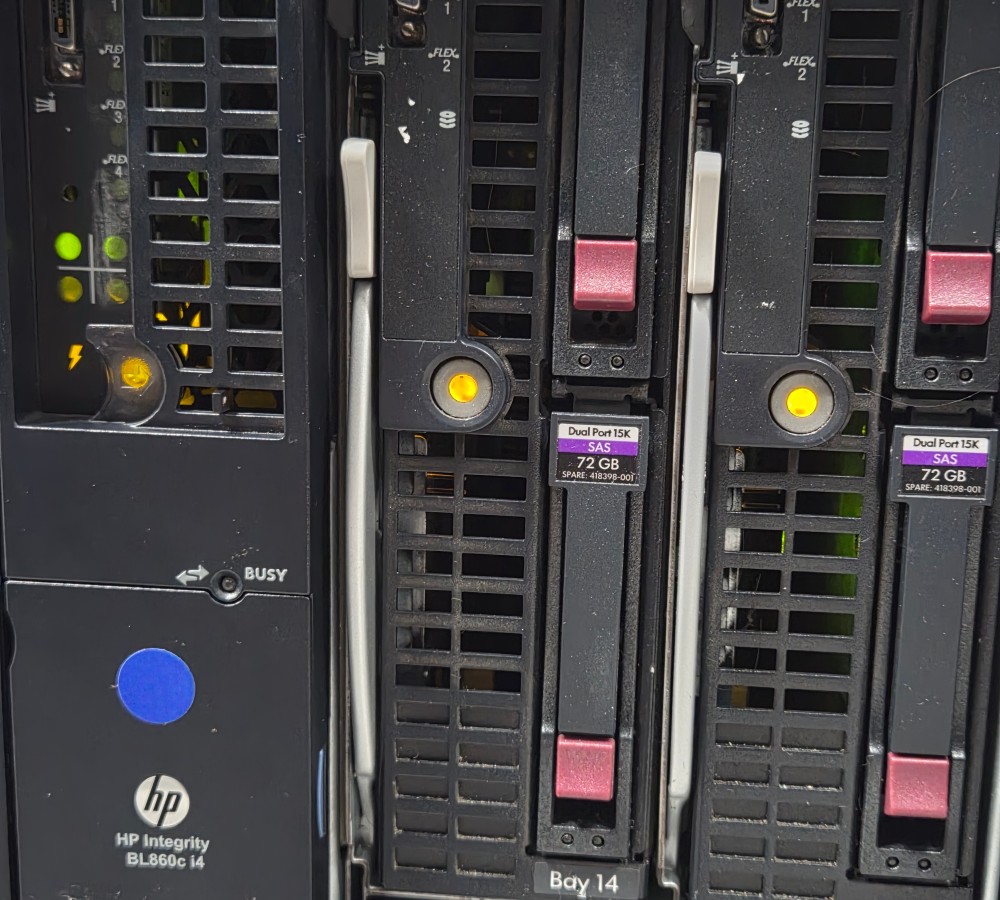
Modern infrastructure strategies often emphasize cloud platforms, containerization, and scalable microservices. Yet many enterprise organizations still depend on stable UNIX environments that power mission-critical applications, financial systems, and telecommunications platforms.
One of the most reliable enterprise UNIX systems is HP-UX Management, which focuses on maintaining, optimizing, and securing HP-UX environments running on enterprise hardware. These systems often support critical workloads that organizations rely on every day. For IT leaders responsible for maintaining these environments, proper management practices ensure reliability, security, and operational continuity. This guide answers the most common questions enterprises ask when researching how to maintain and optimize HP-UX systems.
What Is HP-UX Management?
HP-UX management refers to the administration, monitoring, and optimization of HP-UX operating systems running in enterprise environments.
HP-UX is a UNIX operating system developed by Hewlett-Packard for enterprise servers. It is widely used for high-availability applications and mission-critical workloads. Proper management ensures systems operate efficiently while maintaining security and uptime.
Enterprise system administrators typically oversee several responsibilities, including:
- System monitoring and performance optimization
- Patch management and security updates
- Backup and disaster recovery planning
- Storage and resource management
- User access and security configuration
- Infrastructure monitoring
Organizations with large enterprise deployments often rely on experienced engineers or specialized infrastructure providers to manage these systems effectively.
Why Do Enterprises Still Use HP-UX?
A common question among IT decision-makers is why organizations continue to operate HP-UX systems when many businesses are transitioning to cloud platforms. The answer lies in reliability and long-term application compatibility.
Many mission-critical enterprise applications were originally designed for UNIX environments. Over time, organizations built stable infrastructure ecosystems around those platforms.
HP-UX systems remain widely used because they provide:
- Exceptional stability
- Long application life cycles
- Proven enterprise reliability
- Strong security controls
- Predictable performance
These characteristics make the operating system particularly valuable in industries that depend on continuous system availability.
Key Components of Effective HP-UX Management
Maintaining enterprise UNIX environments requires a structured approach to infrastructure operations. Successful administrators focus on several core management practices.
Performance Monitoring
Monitoring system performance allows administrators to identify bottlenecks and optimize resource usage before issues affect production workloads.
Performance monitoring typically includes:
- CPU utilization tracking
- Memory usage analysis
- Storage performance monitoring
- Network traffic analysis
Continuous monitoring ensures enterprise systems maintain optimal performance.
Security and Patch Management
Security remains one of the most critical responsibilities in enterprise infrastructure.
Administrators must regularly apply patches, update system components, and monitor vulnerabilities to protect sensitive workloads. Best practices include:
- Routine security updates
- Vulnerability scanning
- Access control management
- Log monitoring
- Encryption and authentication controls
Backup and Disaster Recovery
Mission-critical systems require robust backup strategies and disaster recovery planning. Administrators often implement layered protection strategies that include:
- Automated backups
- Redundant storage systems
- Offsite disaster recovery environments
- Failover infrastructure
These safeguards ensure that organizations can quickly restore operations in the event of system failure or unexpected disruptions.
Storage and Resource Optimization
Enterprise UNIX environments often support large databases and high-volume transaction systems. Effective resource management ensures workloads operate efficiently.
Administrators regularly evaluate:
- Storage allocation
- File system performance
- Memory utilization
- Virtual resource allocation
Industries That Depend on HP-UX Infrastructure
Although newer platforms continue to emerge, several industries still rely heavily on enterprise UNIX environments.
Financial Services
Banks and financial institutions often run large transaction processing systems that require reliable infrastructure and predictable performance.
Telecommunications
Telecommunications companies depend on highly available systems capable of processing massive volumes of network data.
Healthcare
Healthcare organizations frequently operate legacy applications supporting patient data systems and medical infrastructure.
Government and Public Infrastructure
Government agencies often maintain long-term systems designed to operate reliably for decades.
In these environments, hp-ux management ensures mission-critical workloads remain operational.
Challenges of Managing Enterprise UNIX Systems
Despite its reliability, maintaining legacy UNIX environments comes with several challenges.
Limited Talent Availability
Many modern IT professionals focus on cloud platforms and containerized environments. As a result, experienced UNIX administrators can be difficult to find.
Infrastructure Modernization
Organizations eventually need to evaluate how legacy systems integrate with modern infrastructure strategies.
Hardware Lifecycle Management
Enterprise servers supporting these systems require long-term hardware support and maintenance planning.
Organizations often address these challenges by partnering with infrastructure specialists experienced in legacy enterprise systems.
When Businesses Should Prioritize HP-UX Management
Enterprises typically focus on improving system administration practices to maintain the stability of critical infrastructure.
Common scenarios include:
- Managing mission-critical enterprise applications
- Supporting large UNIX database environments
- Maintaining regulatory compliance systems
- Extending infrastructure life cycles
- Preparing for long-term modernization initiatives
In these situations, experienced administrators and infrastructure partners help ensure system stability.
The Role of Infrastructure Experts in Enterprise UNIX Environments
Maintaining enterprise UNIX systems requires specialized knowledge, proactive monitoring, and strong operational processes. Organizations that lack in-house expertise often work with infrastructure partners to ensure systems remain secure and reliable. Experienced engineers understand how to maintain these environments while helping organizations prepare for long-term infrastructure evolution. Strategic hp ux management allows businesses to maintain operational continuity while gradually modernizing their technology stack.
Support Your Enterprise UNIX Infrastructure with Nicman Group
Enterprise UNIX environments require specialized expertise to remain secure, stable, and operational. Organizations that depend on these systems need experienced infrastructure professionals who understand the complexity of legacy platforms.
At Nicman Group, we help enterprises maintain and optimize mission-critical infrastructure through expert UNIX system administration, enterprise hosting solutions, and long-term infrastructure support. If your organization relies on HP-UX systems or other legacy enterprise platforms, our team can help you maintain performance, strengthen security, and plan for future modernization. Contact Nicman Group today to learn how our enterprise infrastructure services can support your mission-critical systems and long-term IT strategy.